If you read nothing else
- Winter is the season: orcas and humpback whales gather within the fjords north of Tromsø to eat herring.[1]
- In September/October, Norwegian spring-spawning herring move northeast toward wintering grounds along the coast and fjords of northern Norway.[2]
- The polar night lasts approximately from 27 November to 15 January.[3] Later winter brings more light.
- From Tromso Whale Watching in Magic Skjervoy runs 12 hours and is priced from US$356.[4]
- Reserve now and pay later, with free cancellation up to 24 hours in advance.[4]
- Top choice Magic Skjervøy from US$356 Duration12 hours[4]Rating4.71 from 1,211 reviews[4]Group sizeNot statedStyleFull-day Magic Skjervøy Check availability
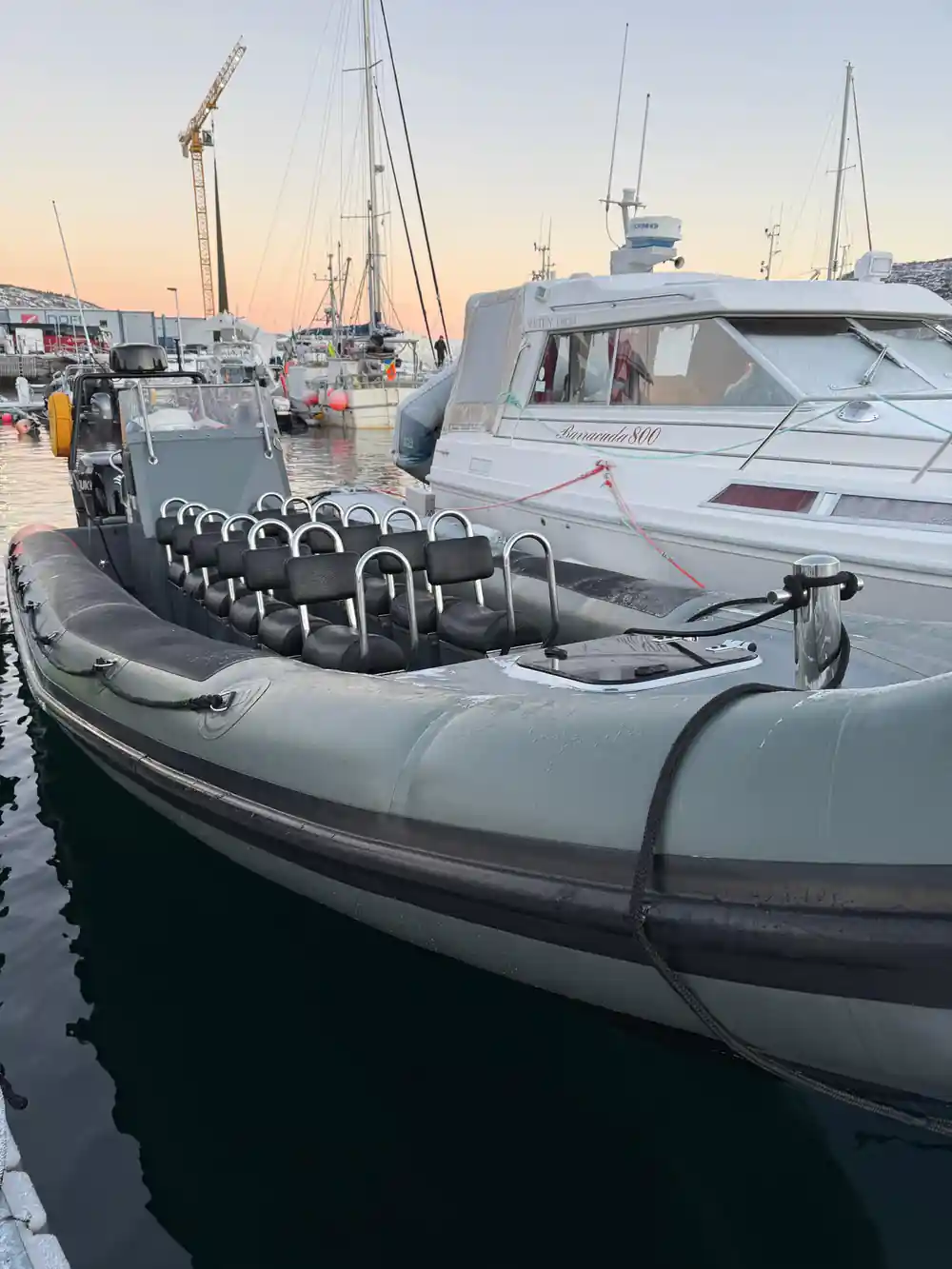
- Skjervøy RIB from US$338 Duration12 hours[5]Rating4.78 from 1,281 reviews[5]Group sizeNot statedStyleRIB whale watching See this tour
- Skjervøy RIB Boat from US$391 Duration12 hours[6]Rating4.56 from 307 reviews[6]Group sizeLimited to 12 participants[6]StyleRIB small group See this tour
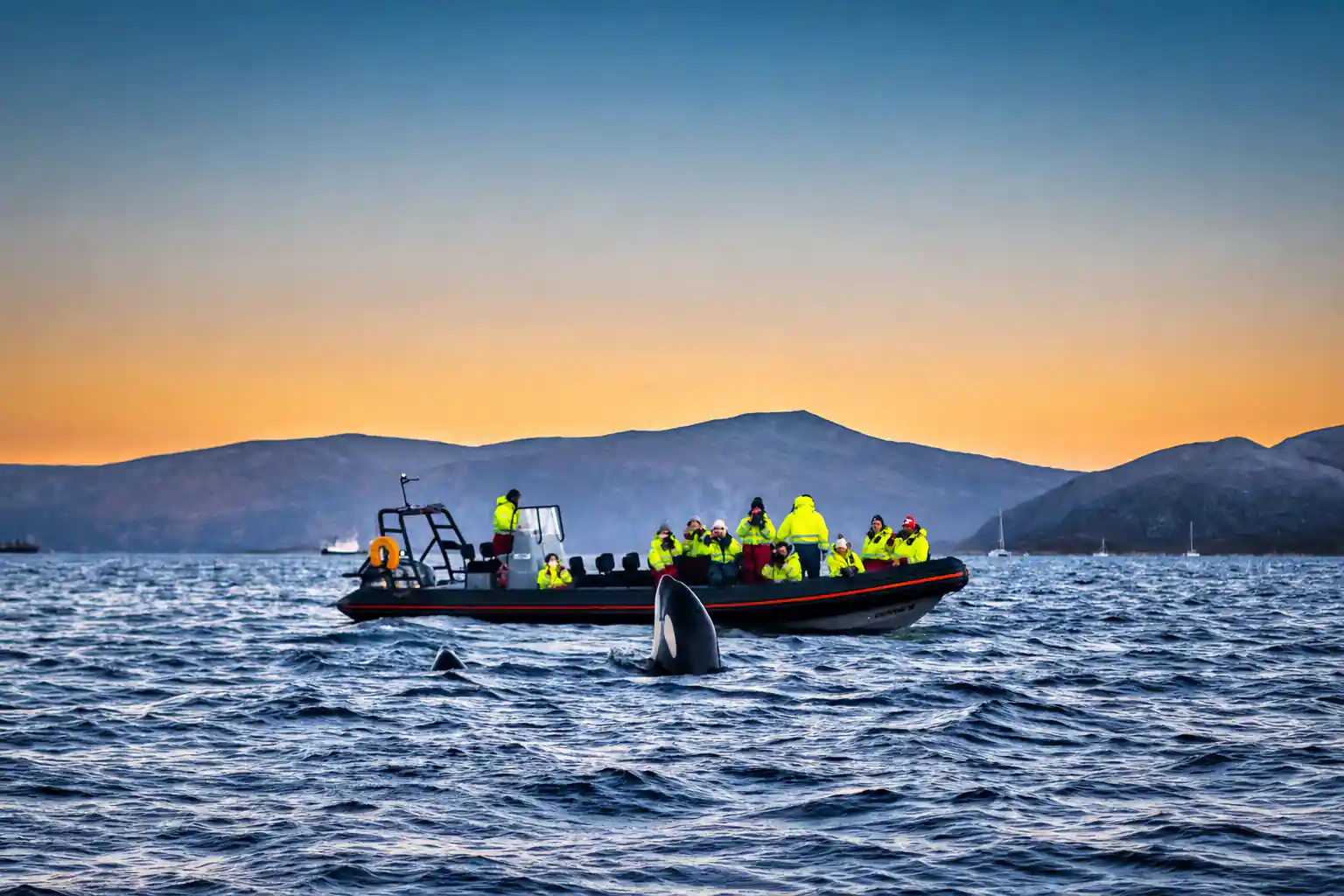
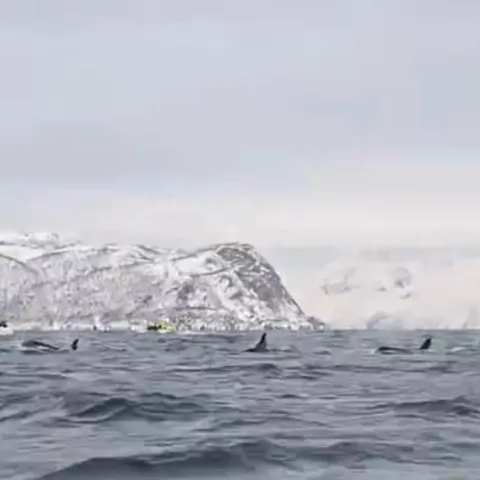
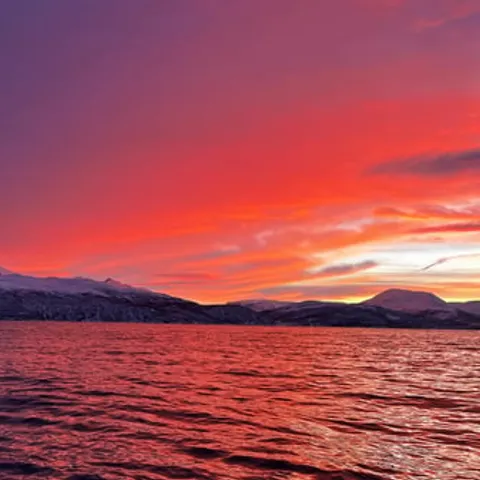
The males reach about nine metres in length and the females up to eight metres.
The winter whale season is the one to plan for
Getting there and around
Tromsø Killer Whale Season: A Winter Window
If you are searching for the tromso killer whale season, start with the herring. During winter, the fjords north of Tromsø draw orcas and humpback whales that feed on herring.[1] That winter gathering is the heart of the season, and it is why Skjervøy appears on so many Arctic itineraries. Arriving in the grey-blue light of a winter morning, with snow along the shore and the sound of cold water against the hull, you already feel far from everyday travel. This is a trip built around a natural spectacle, not a theme park, and it rewards patience.
The tour booked from this site is a full-day commitment: From Tromso Whale Watching in Magic Skjervoy lasts 12 hours[4] and is priced from US$356.[4] It has earned a rating of 4.71 from 1,211 reviews.[4] The season sits inside the colder months; your reward is a day of low light, sharp air and the chance to watch whales in their winter feeding grounds. A full day gives you time to scan the water, listen to the guide's commentary in English, and simply let the fjord unfold around you.[4]
When you look at dates, remember that the whales are wild and the weather rules the day. The tour from Tromsø is a 12-hour expedition[4], and the farther north you go, the more the season can vary. Build your itinerary with a couple of spare days if you can. That cushion turns a missed sighting into a second chance rather than a disappointment. With the right expectations, the journey itself becomes the memory: the low sun on snowy peaks, the quiet that settles over the deck, and the sudden excitement when someone spots a blow on the horizon.
The Herring Behind It
Norwegian spring-spawning herring migrates northeast in September/October to main wintering areas along the coast and fjords of northern Norway.[2] Those wintering areas are the same waters that whale-watching boats visit from Tromsø. During winter, killer whales and humpbacks congregate in this region to eat herring.[1] The result is a compact orca season skjervoy travellers can plan around. Both the herring and the whales appear in the same northern fjords during the colder months, and the daily tours follow that rhythm. It is a seasonal event, not a year-round attraction, and that is exactly what makes it special.
For photographers, the low winter sun and snow-covered peaks make the fjords beautiful even when the whales are distant. Dress for an average winter temperature around −4°C[8]; you will stay comfortable enough to stay outside and watch. The tour is guided in English and you will hear the natural history as you go.[4] Stand at the rail, breathe in the cold air, and you begin to understand how much this landscape depends on the invisible choreography of fish and whales.
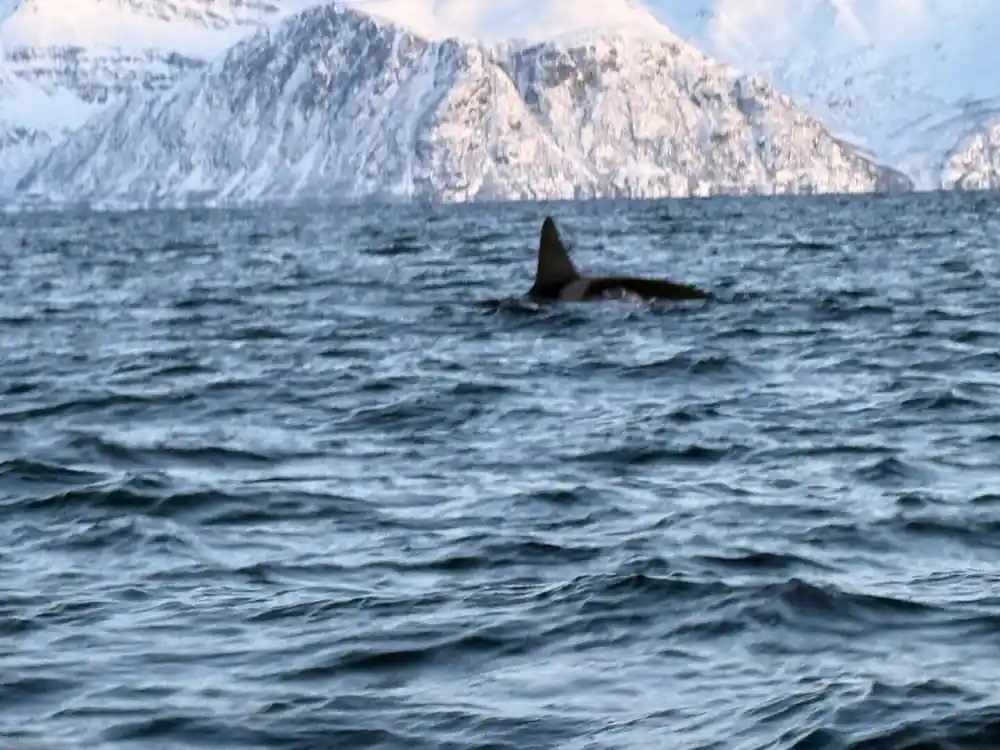
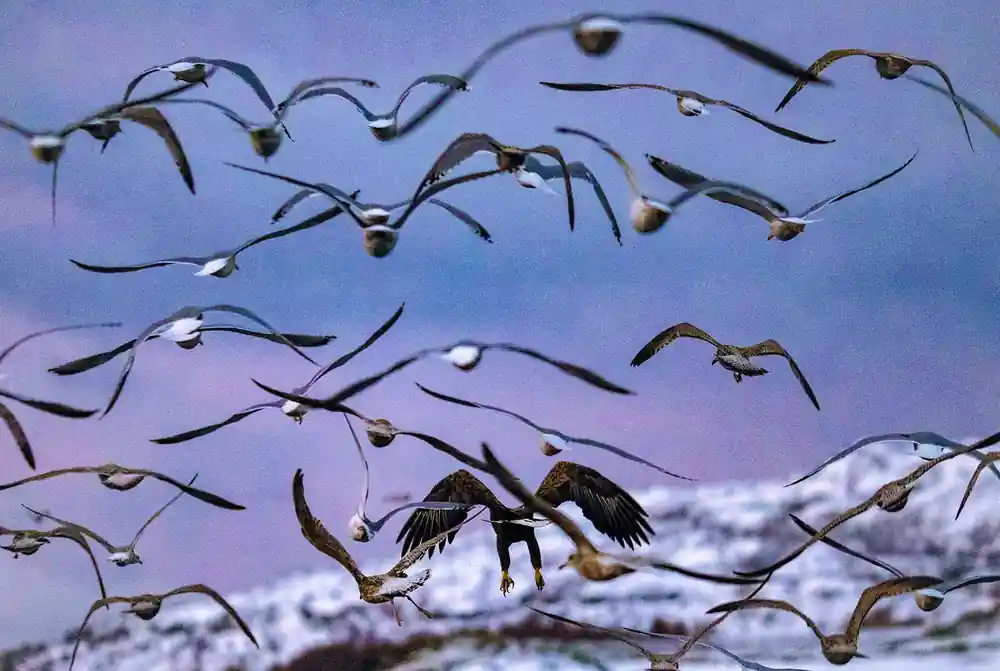
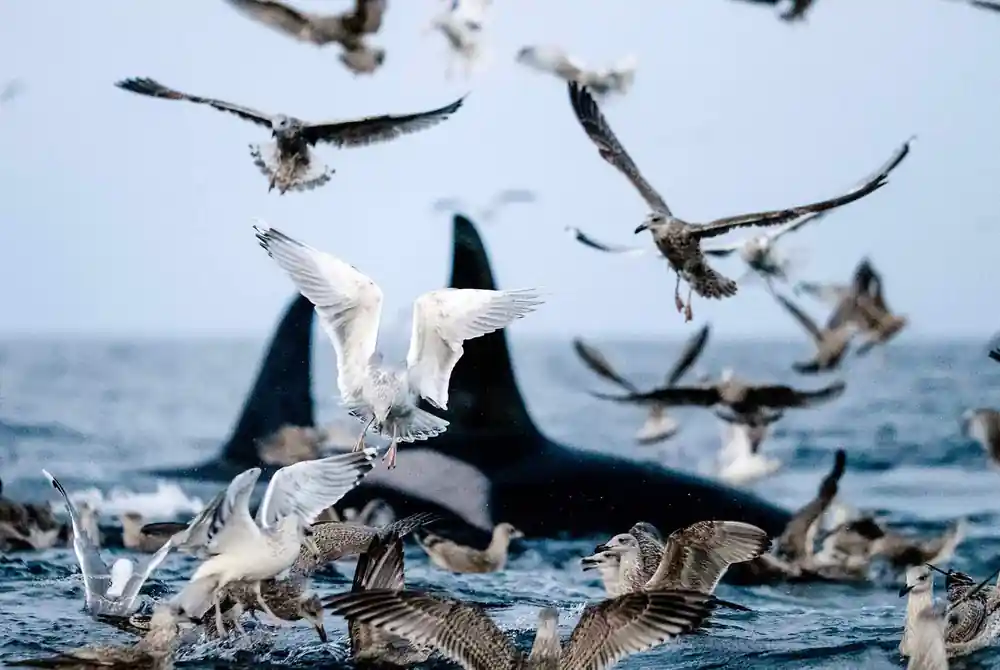
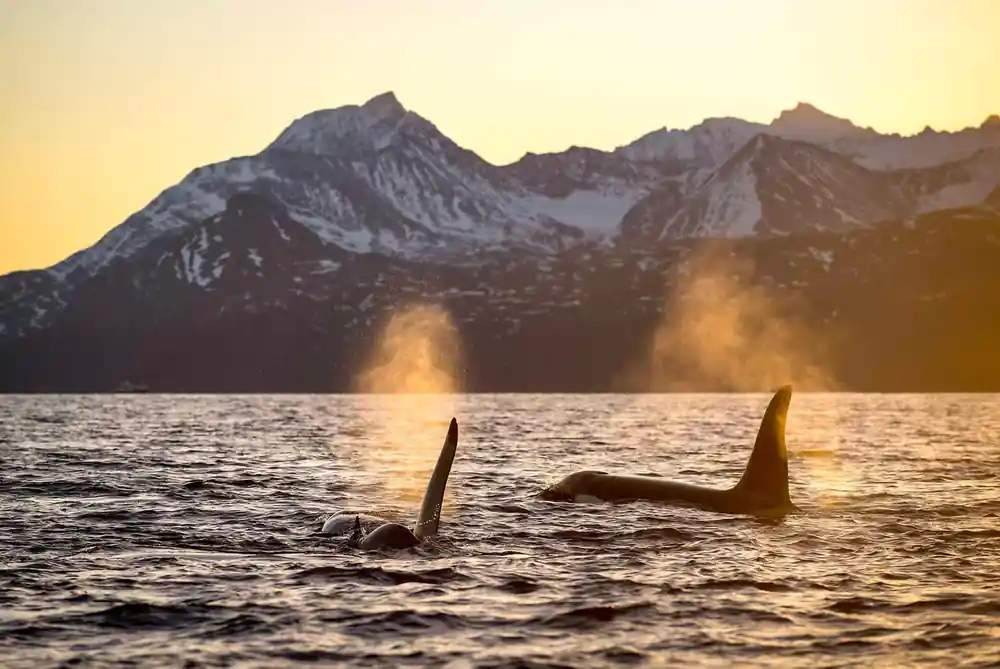
Orcas and humpbacks gather in the northern fjords each winter, chasing the herring.
No Summer Whale Watching Here
If you have summer dates in mind, this is not the trip for them. The whales gather during the winter.[1] Tromsø has plenty of summer magic, including the midnight sun, which usually lasts from around 20 May to 22 July.[10] But the whale season in Tromso belongs to the darker half of the year, a narrow band of weeks that draws travellers from all over the world.
The practical consequence is simple: plan your whale watching for a winter visit. The From Tromso Whale Watching in Magic Skjervoy tour is the kind of day you build a trip around, not a casual add-on. It runs 12 hours[4], and winter weather can change quickly; leave a little slack in your itinerary. A flexible mindset helps as much as a warm coat, and the sea decides the pace.
If you prefer a summer trip, the midnight sun between around 20 May and 22 July[10] is a wonderful reason to visit Tromsø, but it is not the season for this tour. The whales and herring have their own calendar.[1] Keep the two trips separate and you will love both. That division makes each season feel distinct, and it also means the winter whale tour keeps its rare, special character.
Daylight and Darkness Through the Whale Season
Winter daylight in Tromsø is precious. The polar night lasts approximately from 27 November to 15 January.[3] During those weeks, the sun remains below the horizon, so the whales are seen in a half-light with a deeply Arctic feel. On either side of that window, the days gradually lengthen, giving you more usable light for the long trip to Skjervøy.
The same dark skies bring another famous show: the northern lights may be visible in the Tromsø region from late August to early April, whenever the sky is dark and sufficiently clear.[11] A full 12-hour whale tour[4] may end after dark, and if clouds clear, the aurora can appear overhead. Pack a camera with a tripod, but keep expectations flexible. The lights are as wild as the whales, and they appear on their own schedule.
The very darkest weeks can also be the most dramatic. With the sun below the horizon from 27 November to 15 January[3], the fjord light is blue and muted, which is part of the Arctic experience. Many travellers find that half-light makes the whales' blows and fins even easier to spot against the water.
from US$356
A 12-hour trip from Tromsø leads to Magic Skjervøy, accompanied by an English-speaking instructor; cancellation is free up to 24 hours ahead.[4]
Two Ways to Read the Same Winter
One way to read the season is by the calendar: the herring arrive in September/October[2], and the whales are present through the winter.[1] The other way is by daylight. The right month for you depends on how much light you want and how comfortable you are with darkness. Some visitors love the mood of the polar night; others prefer the longer days of late winter when the mountains glow in softer light.
Early winter gives you the atmospheric polar night and more hours of darkness after the tour. Later winter brings more daylight, which can make the boat ride easier and the mountains easier to photograph. Either way, the same 12-hour day[4] takes you from Tromsø up to the Skjervøy area and back. The route itself is part of the appeal, with snowy islands, fishing villages and open stretches of sea.
You do not need to be an early riser: the tour runs 12 hours[4], which means you have time to ease into the day before heading north. The route to Skjervøy is around 160 kilometres and roughly four hours by car.[12] An early start is still a good idea. Let the operator set the schedule and you simply enjoy the journey.
Same Whales, All Winter
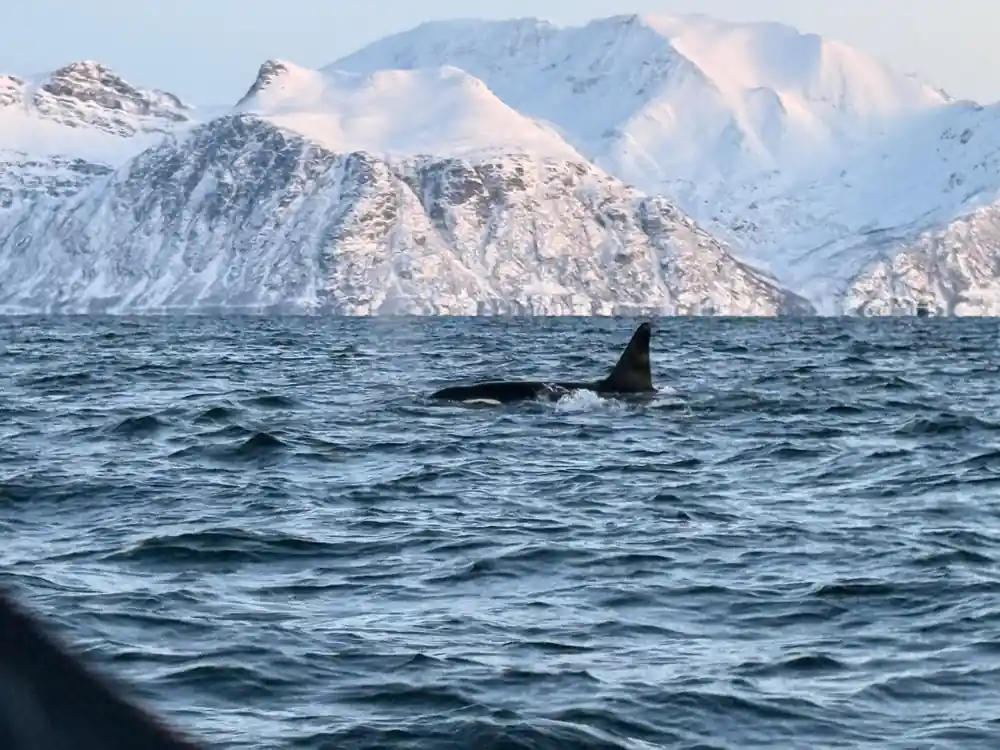
The whales to watch are orcas and humpbacks. Both gather to feed on herring.[1] Killer whales are impressive in scale: males reach about 9 metres in length, females up to 8 metres, and adult weight varies from 4.5 to almost 7 tonnes.[13] That is the whale season in tromso.
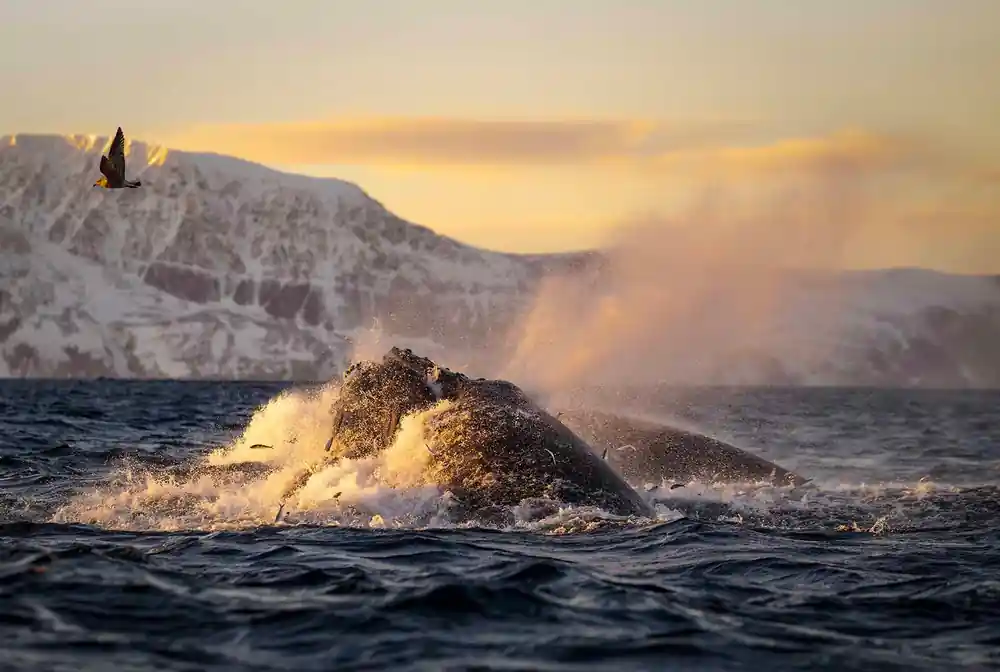
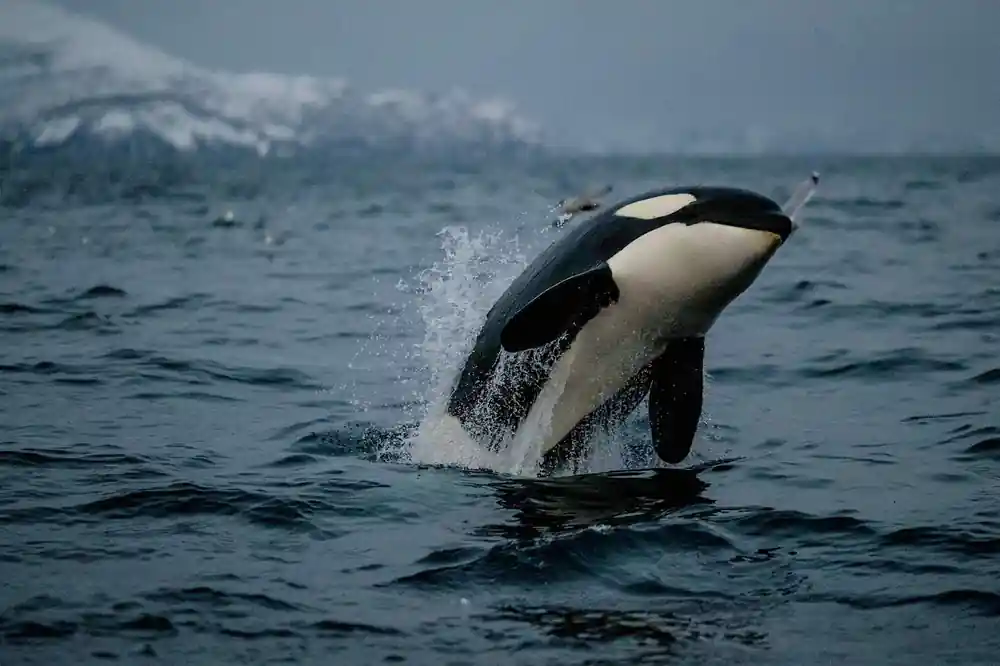
Humpbacks bring their own drama with surfacing and breaching, and the herring itself is the thread that ties the season together.[2] Whale-watching boats keep a respectful distance; they must stay at least 0.2 nautical miles (370 metres) from any vessel engaged in fishing, seine or fixed gear.[9] That rule keeps the whales, the fishermen and the spectators safe.
The herring's autumn migration is the engine of the whole whale watching tromso season.[2] Once they settle in their wintering areas, the whales gather in the same area in winter.[1] This is a natural cycle you are simply visiting, and it repeats every year. There is comfort in that rhythm: the herring arrive, the whales follow, and the boats head out to meet them.
Booking Ahead of a Short Season
The season is short; it pays to book early. The From Tromso Whale Watching in Magic Skjervoy tour costs from US$356[4] and lasts 12 hours.[4] Book now and pay later; free cancellation is available until 24 hours before.[4] That flexibility makes it easier to commit before your plans are final.
Getting to Skjervøy takes time. The shorter route from Tromsø to Skjervøy is approximately 160 kilometres and takes around four hours by car, depending on ferry connections, traffic and road conditions.[12] The tour handles that logistics for you with a 12-hour schedule.[4] Keep the day after flexible, and you have a winter trip to remember.
If the weather turns, you can adjust without losing your money; cancellation is free until 24 hours ahead.[4] Reserve now and pay later also helps when you are still shaping the trip.[4] That is a practical safety net for a winter adventure. Once you are on the water, though, it is easy to forget the planning and simply watch the whales.
Whale tour from prices
From prices in US dollars from GetYourGuide listings:[4],[5],[6],[14],[15],[16].
Compare whale tour prices
From prices in US dollars from GetYourGuide listings:[4],[5],[6],[14]. Child rates are not published in the source facts.
When to book your whale day
Plan your whale season trip
Choose your winter window
Pick the period that suits your tolerance for darkness and cold.
Book the full-day tour
Reserve the From Tromso Whale Watching in Magic Skjervoy tour; it lasts 12 hours.[4]
Dress in warm layers
Average winter temperature is around −4°C[8], so warm layers are essential.
Allow travel time
The drive to Skjervøy is about 160 kilometres and around four hours.[12]
Know the whale rules
Operators stay at least 0.2 nautical miles (370 metres) from fishing vessels.[9]
Winter is waiting and the whales are gathering
from US$357Reserve now & pay later